


For seven years, every conversation held in the office of the United States ambassador to Moscow was quietly transmitted to Soviet intelligence. The source was a carved wooden replica of the Great Seal, presented as a goodwill gift in 1945 and hung on the wall behind the ambassador’s desk. Inside sat a listening device so simple, with no battery and no wiring, that routine security checks missed it completely. It was only discovered in 1952.
That case, documented by the International Spy Museum, is decades old, but the lesson behind it has not aged. A well-placed listening device does not look like a listening device, and the people who plant one are counting on you never checking. A professional bug sweep in Cyprus exists for exactly that reason: to find what a visual inspection cannot.
What a listening bug actually is
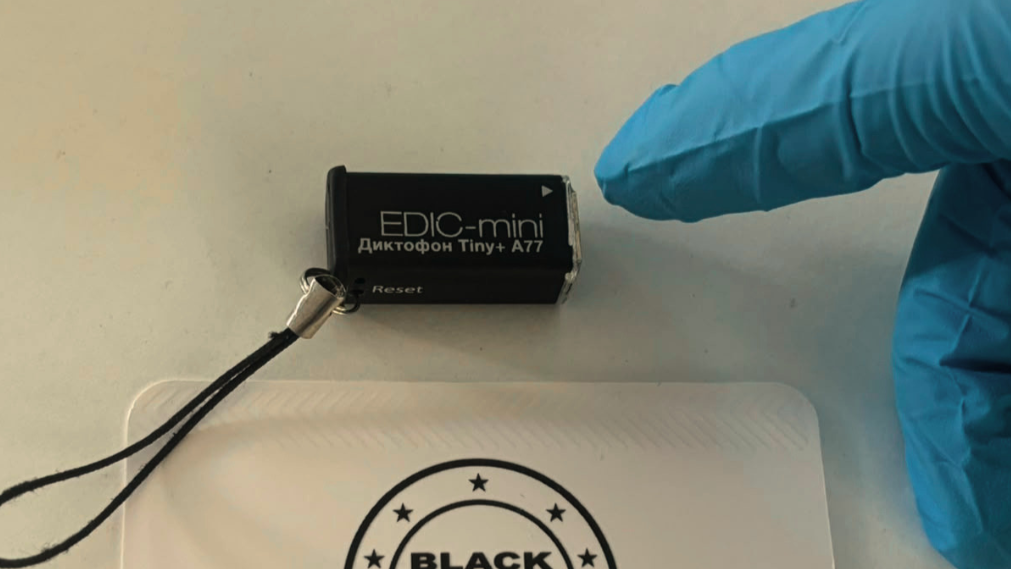
A listening bug is a concealed device that captures audio and either records it or transmits it to someone elsewhere. The word covers a wide range of hardware, from a wired microphone hidden in a wall socket to a wireless transmitter tucked inside a smoke detector, a power strip, a picture frame or a desk phone.
Modern devices are small, cheap and easy to obtain. That combination is the problem. A bug can be placed in under a minute during a meeting, a cleaning visit or a viewing, and then left in place for months while it quietly collects everything said in the room.
Why a bug sweep in Cyprus matters for business
Cyprus is a hub for international shipping, legal services, finance and corporate headquarters. Those are precisely the environments where a single overheard conversation carries real value: a charter negotiation, a merger discussion, a litigation strategy, a board decision on pricing.
The people with a motive to listen are rarely strangers. In most corporate cases, the suspect list is short and familiar: a competitor, a disgruntled current or former employee, a party on the other side of a dispute, or someone with a personal grievance. The value of the information is what makes the risk real, not the sophistication of the attacker.
Signs your space may be compromised
No single sign is proof, but a combination is worth taking seriously:
- Confidential information appears to be known by people who should not have it.
- A competitor consistently anticipates your positions or pricing.
- Objects in a room have moved, or a new item has appeared with no clear owner.
- Wall plates, sockets or smoke detectors show marks, gaps or fresh screws.
- You notice interference on phones or audio equipment during sensitive calls.
What a professional inspection involves
A proper Technical Surveillance Counter-Measures (TSCM) inspection is not one person waving a handheld detector. It is a structured process that combines a physical search of the room, fittings and furniture with electronic detection across the radio-frequency spectrum, and analysis of any suspicious signal or component found. The aim is a genuine level of assurance that a space is clear before a sensitive discussion takes place.
This is the service BlackWolf provides across Cyprus. If you want the fuller picture of how an inspection is carried out, our professional bug sweep and TSCM service page sets out the scope in detail.
BlackWolf TSCM Services
Most businesses in Cyprus will never find a bug, and most do not need weekly sweeps. The honest position is that this is about proportion, not paranoia. If you handle information that a competitor or an opponent would pay for, an inspection before a major negotiation or board meeting is a reasonable, low-cost precaution. If you do not, awareness is usually enough. The mistake is assuming the question does not apply to you because your business feels ordinary. The Moscow embassy assumed the same thing for seven years.

